Developing the essential movement models is a key aspect of functional exercise that allows people to achieve maximum performance while minimizing the risk of harm. Functional exercise focuses on movements that mimic realistic body movements, such as lunging, pushing, dragging, and rotating. Grasping these fundamental motion patterns creates a base for all other exercises and tasks, from daily tasks to sport performance. Correct technique, alignment, and body mechanics are essential in these patterns to ensure balanced strength activation and skeletal support. When these movements are correctly executed, the body can move effectively, generate force, and retain coordination across a wide spectrum of movement.
Refining fundamental motion models demands attention to balance, flexibility, and coordination. Balance is essential for holding correct posture during active movements, while range of motion allows the limbs to move smoothly without restriction. Coordination guarantees that multiple muscle systems work together efficiently. For example, a squat demands the coordination of the pelvis, joints, and ankles while maintaining spinal position and activating the core. Exercise plans that prioritize precise, precise form of these models enhance muscle coordination, allowing the nervous system and body to communicate effectively. Over periods, consistent practice reinforces supporting tissues, improves skeletal health, and enhances total athletic potential.
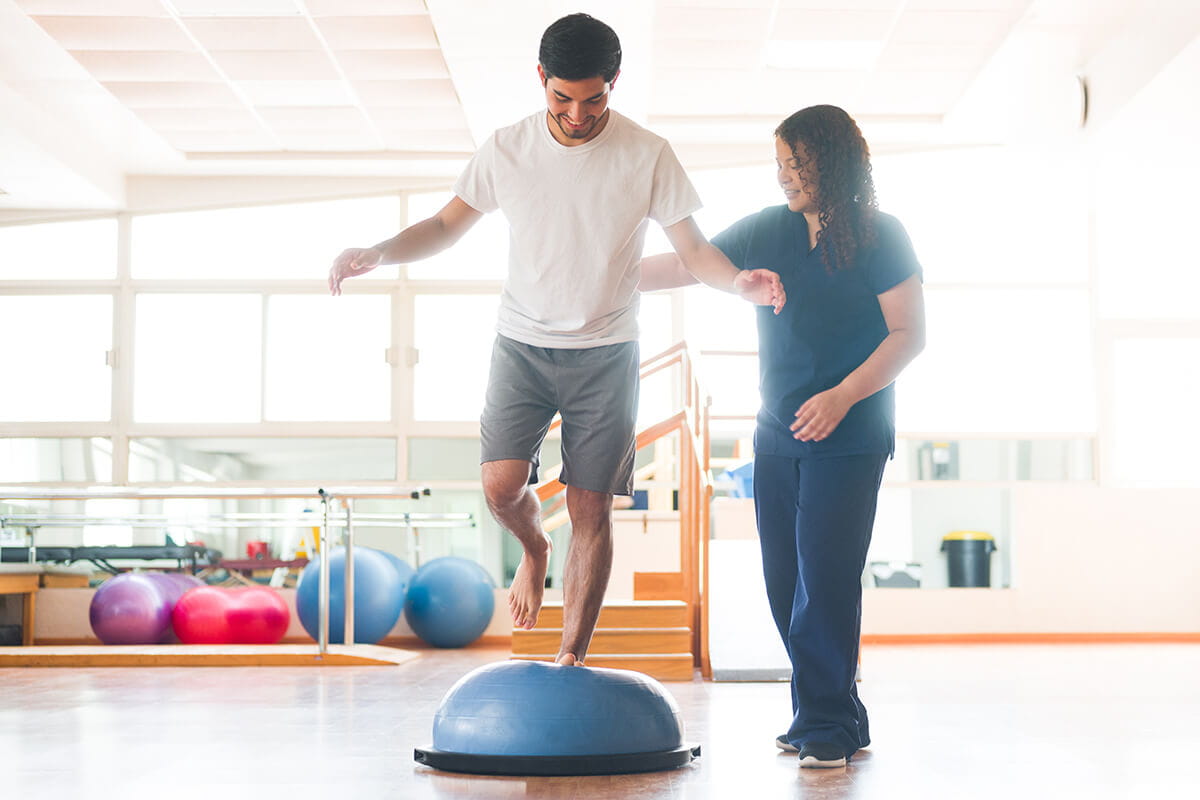
Improving results in functional training involves incorporating advancement and variety into exercises. Novices may start with bodyweight forms of fundamental patterns, while experienced athletes can implement weighted equipment, dumbbells, or unstable surfaces to stimulate strength, balance, and capacity. Progression should follow a logical order, beginning with mastering the foundational form and gradually raising resistance, tempo, or complexity. This method not only develops muscular ability but also reduces the risk of incorrect movements that can lead to injury. Trainers and trainers often use movement evaluations to detect weaknesses or asymmetries, tailoring plans to correct individual needs and enhance practical results.
Consistent practice of these core motion patterns builds muscular stamina, skeletal health, and movement control. Functional training prioritizes compound movements that activate multiple muscular groups simultaneously, creating more effective and organic motion see this site models. For example, a press-and-row combination can strengthen the chest, lats, deltoids, and biceps while enhancing shoulder stability. Including rotational and anti-rotational movements assists enhance core control, balance, and the ability to produce power in varied directions. By conditioning the physique in methods that replicate real-life demands, individuals improve their capacity to execute everyday movements, athletic actions, and physically demanding activities securely and efficiently.
Integrating these core motion frameworks into a organized plan promotes long-term health and peak results. Practical training not only strengthens muscles but also improves alignment, control, and total motion quality. Proper execution and regular training allow the body to adapt to physical demands while reducing the chance of injury. Individuals who regularly practice see this here with these guidelines develop power, flexibility, and confidence in their movement abilities. Whether for athletes seeking high-level performance or adults striving for improved functional capability, perfecting and improving core motion frameworks is a foundation of successful practical exercise.